How many of you wash your self-grown produce thoroughly before eating it? As a kid I ate dirt on fresh-from-the-garden carrots. Haven’t you?? If you grow something organically, is it even bad for you? Answer: It really depends.
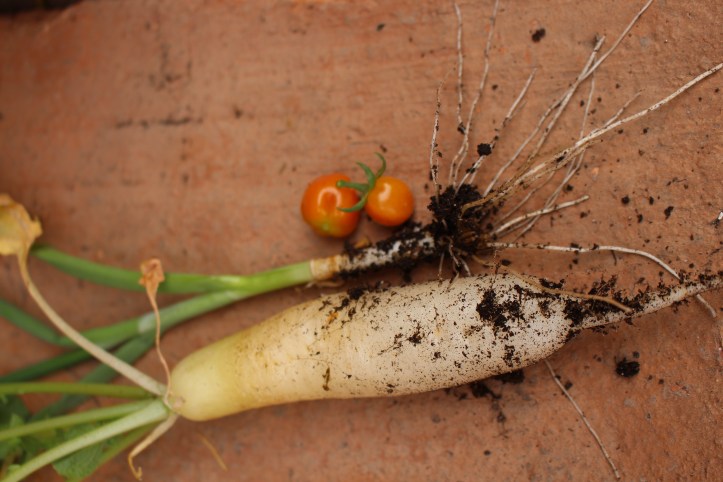
If the produce you’re eating is from a large farm, for example from a large grocery store, you are probably safe. Year after year we hear of outbreaks linked to salad greens, and it makes you wonder if one day it could be you getting a bad batch, but contaminated foods are caught very quickly by inspections. Bagged salads are rarely untrustworthy. Unless you find an article specifically telling you the bag you have is contaminated, go ahead and use the salad straight from that bag and feel comfortable doing so.
The producer is mandated by the federal government to wash off pesticides and fertilizers before sending produce to market. If the packaging says the vegetables were washed, I would believe it. Many people don’t know that production facilities use a very weak solution of bleach and water (1-3 tsp per gallon) to dip-wash produce before packaging. If you choose to wash your produce again, make sure to take your own precautions to keep from contaminating your own food.
Skipping the wash on veggies from your garden is not a good idea, and here are a few reasons why.
Flies. They land on undesirable items, and then somehow make their way to your tomatoes or barbeque. Whatever was on their feet gets transferred to your dill leaves. Fun! Maybe this is why people like to forget things. If I’m eating foods where flies are present, I’m waving my hand around like a lunatic. Their feet transfer bacteria from trash, fecal matter, unfinished compost, decaying organisms, you name it. Washing with soap and warm water will do away with this problem! There are horses nearby where I live, so this is a constant reminder to wash what I pick out in the garden.
Ants. Ants have been observed on decaying organisms like birds or large bugs. They are close allies of aphids, and the sugar aphids produce out their rumps can drip onto hanging veggies like zucchini. The sugar can then be a perfect place for bacteria to grow! This is a great reason to wash first, not just because the gross aphid-sap can taste gross.
Moths. The larval stage of butterflies and moths are caterpillars, and these produce pellets of poop that collect in stems of plants where water can splash your produce. Poop and bacteria are good friends, so washing veggies where caterpillars are active is a good idea.
Birds. They poop on everything. Wash poop off your veggies before eating it, this is a pretty self evident point. Birds can pass parasites, bacteria, and lots of other things on to the consumer of produce. Get that soap and brush out, or don’t eat that leaf of lettuce.
Rodents.
Anything that can crawl or fly can come in contact with fruit and vegetables in your garden. Who knows where those have been, and what they are carrying on them. You don’t know what that fly has been standing on. That’s why, in my garden, I follow these guidelines at all times to keep healthy.
- Wash your hands after handling meats, dirt from your garden, your unfinished compost, even paper money and coins.
- Be sure to clean and cover any open wounds before gardening, wearing gloves and washing hands all work to guard against pathogens.
- According to Colorado State Extension Office, “Because washing alone can’t be relied on to totally eliminate pathogens, careful control of all potential points of contamination from production to consumption is essential.” This applies to industrial farms as well as home gardens.
- With cucumbers, an above-ground vegetable, I make sure to at least use a light soap. With all those nooks and crannies a vegetable brush is a great idea as well.
- Compost manure completely before using in your garden, or buy pre-composted.
- Use potable water to irrigate. Gray water is not to be used in the garden.
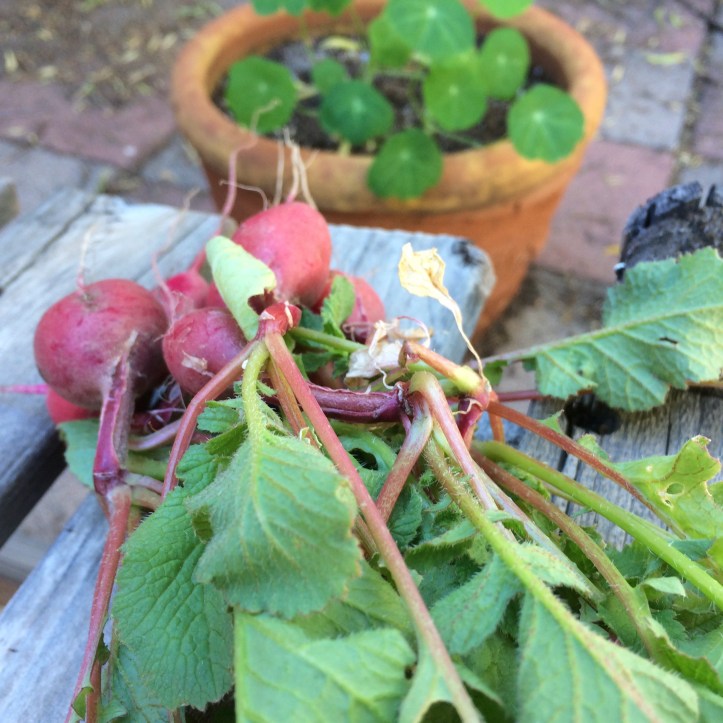
In fact, I always use soap on below-ground produce. Delicate lettuces can’t stand up to a brush, so light soap and your clean hands are enough to clean them. Cleaning is just a safe way to go, and my pickles taste better as a result.
Now go harvest and eat all that good stuff in confidence!
Thank you for stopping by!
 Pickles Of Wisdom